Loading...
Serving Salina, KS and surrounding areas. (785) 201-9750
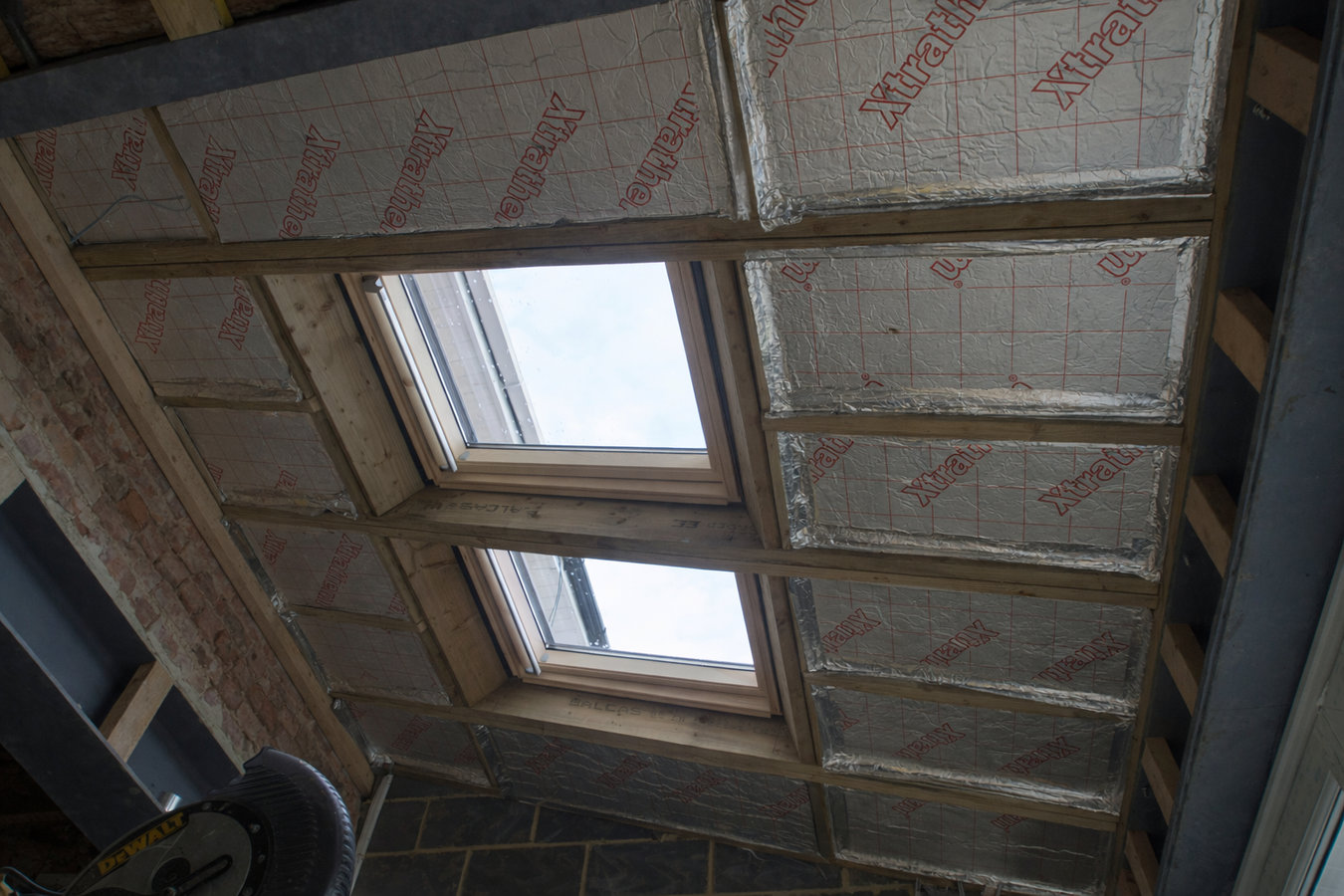
An under-insulated attic is the most common reason Salina homes run up heating and cooling bills. We install the right depth for Kansas winters so your HVAC does not have to work so hard.
Attic insulation in Salina slows heat from escaping in winter and slows heat from entering in summer - most residential attic jobs are completed in a single day with no disruption to your living space. It acts like a thermal blanket between your home and the outdoors, and when that blanket is too thin, your furnace and air conditioner have to run harder and longer to compensate.
Salina sits in Kansas Climate Zone 5, which calls for more insulation depth than homes in warmer southern states. Many homes in Salina were built in the 1950s and 1960s, long before today's efficiency standards existed, and their original insulation has often settled, compressed, or been disturbed by pest activity over the decades. If your home is in that category, upgrading the attic is usually the single highest-impact improvement you can make. Pairing attic insulation with attic air sealing makes both investments perform significantly better.
ENERGY STAR has published guidance on recommended insulation levels by climate zone. See current recommendations at ENERGY STAR.
If your energy bills have gone up noticeably over the past year or two and you have not changed your habits, your attic insulation may be failing. In Salina, where both summer cooling and winter heating seasons are long and demanding, a poorly insulated attic is one of the most common causes of unexplained bill increases.
Rooms directly below your attic that are stuffy in summer or drafty in winter point to heat moving through your ceiling when it should not be. This is especially common in Salina's older ranch-style and split-level homes, where the attic sits directly above the main living area.
If you look into your attic and can see the wooden framing members running across the floor, your insulation layer is too thin. A properly insulated attic in Salina's climate should have a deep enough layer that those boards are completely buried under insulation material.
Ice dams - the ridges of ice that build up along roof edges in winter - are a direct sign that heat is escaping through your attic and melting snow unevenly. Salina gets enough winter precipitation and cold temperatures for ice dams to form on under-insulated homes, and they can damage gutters and roof edges if left unaddressed.
We install blown-in cellulose and fiberglass attic insulation, which are the most practical choices for existing Salina homes because the material fills odd corners and irregular spaces without tearing out what is already there. Before insulation goes in, we seal gaps around light fixtures, pipes, and other penetrations - skipping this step is one of the most common reasons homeowners do not see the energy savings they expected. We also offer blown-in insulation as a standalone service for walls and other areas of the home, and pair attic work with attic air sealing to close the gaps that let conditioned air escape regardless of how much insulation is on top of them.
Every job starts with an assessment to measure what is already there, check for moisture or pest activity, and confirm whether removal is needed before new material goes in. We leave you with written documentation of the material installed and the final depth achieved, which is useful if you ever sell the home.
Made from recycled paper fiber - good coverage, fills gaps well, and is a common choice for Salina's older attic layouts.
Lightweight and resistant to moisture absorption - a strong option for attics where humidity from spring weather is a concern.
The most effective combination for energy savings - seals bypasses first, then insulates to the full recommended depth.
For attics with wet, pest-damaged, or heavily settled material that cannot be topped off safely.
Salina sits in a climate that sees summer highs regularly above 95 degrees and winter lows that can drop well below 10 degrees. That wide swing means your attic insulation is working hard in both directions all year long. A significant share of Salina's single-family homes were built in the 1950s through 1970s, when insulation requirements were far less demanding than today, and many of those homes still have their original material. The gap between what is there and what is recommended is often large enough to make a meaningful difference in your monthly bills once it is addressed.
Central Kansas also experiences periods of high humidity in spring and early summer, combined with strong winds that can drive moisture into attic spaces through gaps and vents. Moisture-damaged insulation loses its effectiveness and can contribute to mold growth on attic sheathing. We handle both attic insulation and air sealing across our service area, including homeowners in Salina and those in Manhattan who face the same climate conditions.
We ask a few basic questions about your home's age, size, and any comfort or energy problems you have noticed. You will hear back within 1 business day to schedule a free estimate visit.
We go up into your attic, measure what is already there, and check for moisture, pest activity, or gaps that need to be addressed before insulation is added. This visit is free and takes 30 to 45 minutes.
You receive a written estimate covering material type, depth to be achieved, any removal or air sealing work included, and total cost. Ask questions before you sign - we will explain our recommendations in plain terms.
The crew seals air gaps first, then blows in insulation to the recommended depth. Most Salina homes are done in two to four hours. We show you the finished result and leave you with written documentation of what was installed.
No obligation - just an honest look at what your attic has, what it should have, and what it will cost to get there.
(785) 201-9750We install to the depth recommended for Salina's specific climate zone - not a generic national average. Homes in this climate need more insulation than homes in warmer states, and we make sure the finished job meets that bar.
Skipping air sealing before insulation is one of the most common reasons homeowners do not see the energy savings they expected. We seal gaps around light fixtures, pipes, and penetrations as part of every attic job - not as an add-on you have to request.
Salina's pre-1980 homes sometimes have materials in the attic that require special handling before new insulation can be added. We identify what is there during the assessment and tell you upfront what needs to happen before we add anything new.
When we finish, we leave you with written documentation of the material used and the final depth achieved. This is concrete, verifiable proof of the upgrade - useful when you sell your home and meaningful to buyers who ask about energy efficiency.
Evergy and Kansas Gas Service both serve Salina, and homeowners who upgrade attic insulation often see a meaningful reduction in both electric and gas bills within the first year. Check Evergy rebate eligibility - qualifying insulation upgrades may offset part of your project cost.
Federal energy efficiency tax credits may apply to qualifying attic insulation upgrades. See the IRS Energy Efficient Home Improvement Credit for current eligibility details.
Machine-blown loose-fill insulation for attics and walls - fills irregular spaces and voids that batts cannot reach.
Learn moreSealing gaps around fixtures, pipes, and penetrations in your attic before insulation goes in - makes a dramatic difference in final performance.
Learn moreBeat the heating season - most attic jobs are completed in a single day with no disruption to your home.