
Loading...
Serving Salina, KS and surrounding areas. (785) 201-9750
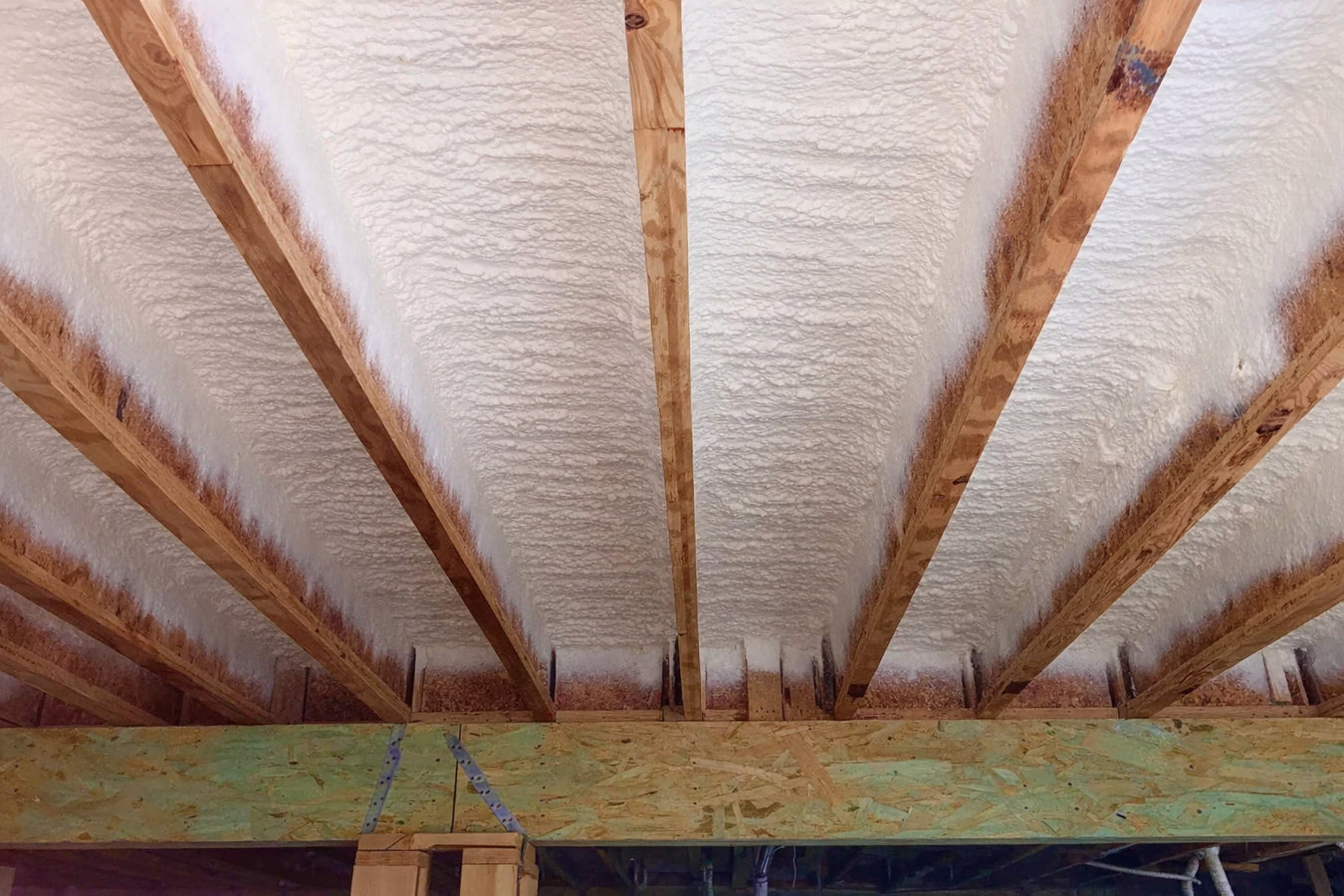
Cold floors in January, high heating bills all winter - the crawl space under your Salina home may be the problem. Proper insulation fixes both.
Crawl space insulation in Salina acts as a thermal barrier between the cold ground and your living space above, reducing floor heat loss and lowering your heating bills - most jobs on a standard home are completed in a single day. Without it, cold air seeps up through your floors in winter and heat radiates upward in summer, making your home harder to keep comfortable and putting extra load on your HVAC system year-round.
Many of Salina's ranch-style homes were built on full crawl spaces or basements, and a large share were constructed before modern insulation standards. If your home was built before the mid-1980s, what is under your floors may be original material that has compressed, gotten wet, or been disturbed by decades of plumbing and HVAC work. Addressing the crawl space pairs well with wall insulation for a whole-home approach to energy efficiency.
The Department of Energy recommends R-25 to R-30 for floors over crawl spaces in Kansas Climate Zone 5. Check DOE insulation R-value recommendations.
If you walk across your kitchen or living room in January and the floor feels cold through your socks despite the heat running, your crawl space is likely letting cold air reach your floors from below. In Salina, where winter temperatures regularly drop into the single digits, this is one of the most common complaints from homeowners with uninsulated or poorly insulated crawl spaces.
If your gas or electric bills have been rising over the past few winters but nothing obvious has changed - same thermostat, same appliances - your crawl space insulation may be failing. Salina's extreme seasonal swings mean even a modest gap in your home's thermal protection translates into real money on your monthly utility bill.
If you have ever peeked through your crawl space access hatch and seen insulation hanging down, clumped, or showing dark staining, that material is no longer doing its job. Wet insulation loses most of its ability to hold heat, and in Salina's clay-soil environment where ground moisture lingers after spring rains, this is a common finding in homes that have not been checked in several years.
A musty or earthy smell near baseboards or floor vents often traces back to moisture and mold activity in the crawl space below. Salina's wet spring season and clay soils create conditions where moisture builds up under a home quickly. Once mold gets established in damp insulation, the smell works its way into your living space and is worth taking seriously for your family's health.
We insulate crawl spaces throughout the Salina area using both floor joist insulation and encapsulation approaches, depending on what your home needs. Floor joist insulation - installing batts or spray foam between the wooden beams above the crawl space floor - is the most common solution for vented crawl spaces and keeps conditioned air from escaping through your floors. We also address moisture management as part of every job: Salina's clay-heavy soils hold water after spring rains, and insulating over a wet or damp crawl space causes the material to fail quickly. We always check for standing water, high humidity, or signs of mold before recommending what goes in. Our work on crawl space vapor barriers is often done alongside insulation installation for complete moisture control.
For crawl spaces where the existing insulation has failed, we handle removal first and then install fresh material to current R-value recommendations for Kansas Climate Zone 5. We also offer wall insulation for homeowners who want to address both the floor and exterior walls in the same project. Every job includes a written estimate, and we handle permits through the City of Salina Building Services when required.
Best for vented crawl spaces - installs between the beams above the crawl space floor to stop heat loss through your floors.
For sealed crawl spaces - treats the walls and floor as a conditioned area, offering the highest level of moisture and temperature control.
Addresses ground moisture before or alongside insulation, critical in Salina where clay soils hold water near the foundation after heavy rains.
For homes where existing material has sagged, gotten wet, or been disturbed - cleared out and replaced with properly installed insulation.
Salina sits in north-central Kansas, where winters regularly drop below 10 degrees and summers push past 100. That swing puts real stress on an under-insulated crawl space - cold air pours up through floors in January and heat radiates in July. Central Kansas is also well-known for persistent winds, and Salina is no exception. Wind-driven cold air can enter vented crawl spaces through foundation vents and strip heat from your floors far faster than still air would. Homeowners in Manhattan and Junction City face the same climate conditions and benefit from the same approach.
Salina's soils contain significant clay content, which holds water rather than draining it away after heavy spring rains. After a big rain event - common from March through June - that moisture can linger near and under your foundation for weeks. This makes moisture management before insulation goes in especially important here: insulation installed without addressing ground moisture first is likely to fail faster than it would in a drier climate. The NAIMA publishes guidance on crawl space insulation best practices that contractors working here should follow. See NAIMA insulation standards.
We ask a few basic questions about your home - approximate size, age, and what you have been noticing. We schedule an in-person visit to look at the crawl space directly. Most local contractors can get to an estimate within a week or two, but spring is busy - earlier is better. We reply within 1 business day.
We access your crawl space and check the condition of any existing insulation, look for signs of moisture, mold, or pest activity, and measure the space. This typically takes 30 to 60 minutes. You get a written estimate covering what was found, what is recommended, and the total cost before any work is scheduled.
The crew arrives with materials, removes any failed insulation, addresses vapor barrier or moisture prep if needed, and installs new insulation evenly - with no gaps at edges, pipes, or beams. Most standard Salina jobs are done in a single day. You do not need to leave the house.
We walk you through what was installed and where. If a permit was pulled, an inspector from the City of Salina may need a quick review, which we schedule and handle. You should notice warmer floors and more consistent temperatures within the first few weeks.
We will look at your crawl space, tell you exactly what is there, and give you a written estimate with no obligation. Salina winters do not wait.
(785) 201-9750Salina's clay soils hold water after spring rains, and we always assess ground moisture conditions before recommending what type of insulation or barrier to install. Skipping this step is the most common reason crawl space insulation fails within a few years. We check - and we explain what we find - before any material goes in.
Crawl space insulation in Salina typically requires a building permit, and we pull it on your behalf. Permitted work is inspected by the City of Salina and documented - which protects you now and when you sell the home. We do not suggest skipping permits to save time.
We have worked on older ranch homes near downtown and newer subdivisions on the east side since 2023. Salina homes vary a lot - age, crawl space height, soil conditions, and prior work all affect what the right solution looks like. We bring that local knowledge to every estimate.
The Department of Energy recommends R-25 to R-30 for floors over crawl spaces in Kansas. We install to that standard, not to the minimum that looks acceptable on paper. That means your floors stay warmer and your furnace runs less - which is the whole point of the job.
Good crawl space insulation leaves no gaps, sags, or exposed areas - every inch of the floor or wall surface should be covered evenly. We walk you through the finished work before we leave so you can see exactly what was done and why.
Wall insulation tackles heat loss through exterior walls - a natural next step after addressing what is happening below your floors.
Learn moreA vapor barrier controls ground moisture in your crawl space, protecting insulation and your home's structure from Kansas clay-soil dampness.
Learn moreSalina winters do not wait - lock in your installation date before the spring rush fills our calendar and ground moisture becomes an issue.