
Loading...
Serving Salina, KS and surrounding areas. (785) 201-9750
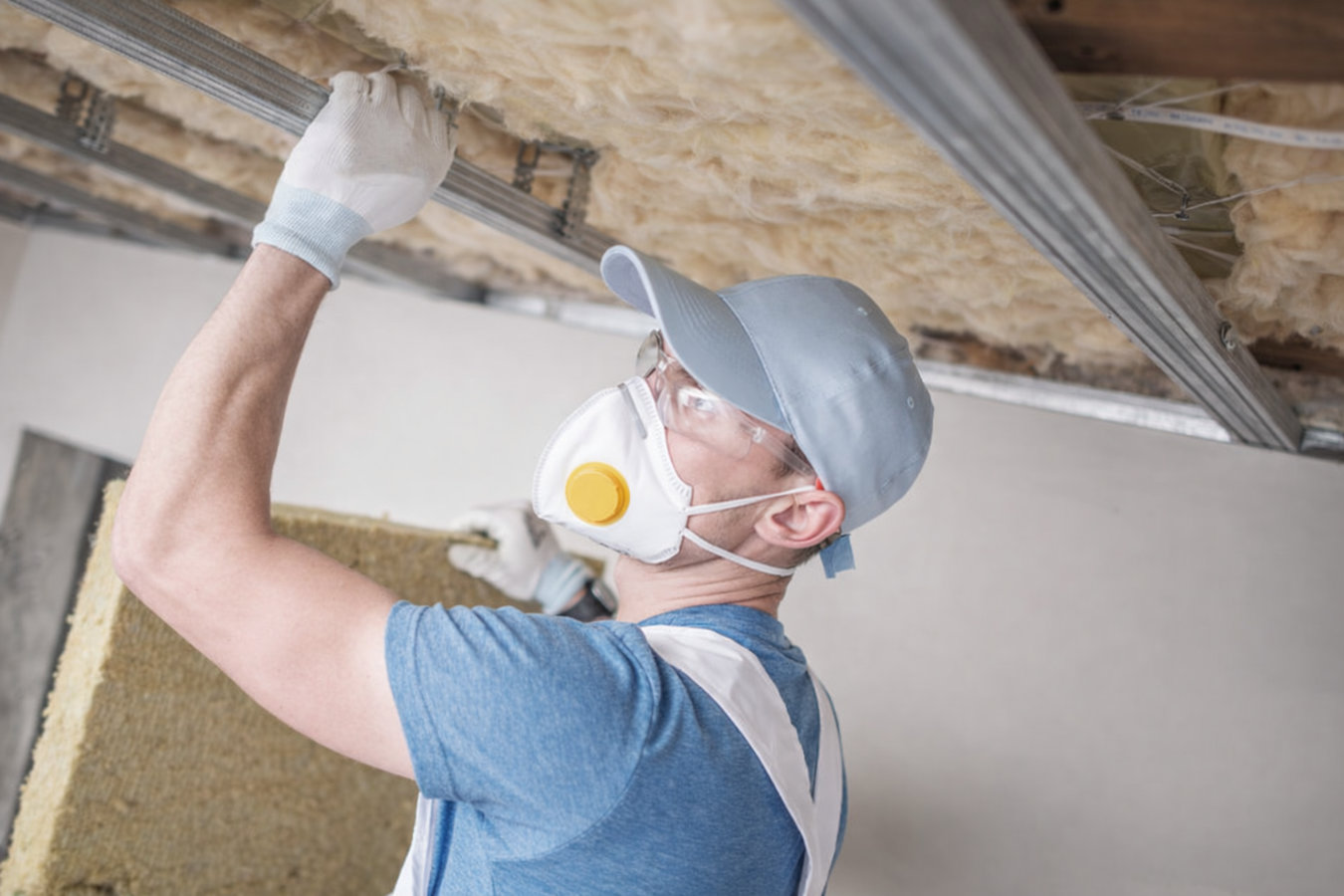
Old, wet, or rodent-contaminated insulation cannot be fixed by adding more on top. Get it out safely and replaced properly.
Insulation removal in Salina clears out old, damaged, or contaminated material from attics and crawl spaces so your home can be properly re-insulated - most residential jobs are completed in a single day using industrial vacuums and contained work areas. Unlike simply adding material over what is already there, removal gives you a clean slate and lets you address any hidden moisture, mold, or rodent problems before they get sealed in.
A large share of Salina homes were built between the 1950s and 1970s, and many have insulation that has been compressed, wetted, or contaminated over the decades. When that happens, the material stops doing its job - and Salina winters, with lows regularly below zero, make failing insulation very expensive. Many homeowners who call us for removal also follow up with blown-in insulation in the same week, getting the full job done without a long gap in between.
The EPA recommends testing for asbestos before disturbing insulation in homes built before the mid-1980s. Read the EPA guidance on asbestos.
If your gas or electric bills have been creeping up year over year but your habits have not changed, failing insulation is one of the most common causes. Salina's extreme seasonal temperatures mean your heating and cooling systems work very hard - and when insulation stops performing, that work gets much more expensive. This is often the first sign homeowners notice before they find anything visibly wrong.
Salina and Saline County sit in a region that sees frequent severe hail. Even a small area of roof damage can let water into your attic insulation over weeks or months without obvious interior signs. If you have had roof work done, or if a significant storm came through, it is worth having someone look at your attic insulation - wet insulation often looks fine from below until mold has already taken hold.
A musty smell often means mold has taken hold in damp insulation. A sharp animal or ammonia-like odor usually points to rodent activity. Both are common in older Salina neighborhoods, and both mean the insulation needs to come out - not be covered over. If you notice either smell, especially after a wet season or a cold snap, it is time to have the attic or crawl space inspected.
If upstairs rooms feel like a different climate from the rest of the house - sweltering in July, drafty in January - attic insulation is likely failing. Salina's temperature extremes make this especially obvious. Good attic insulation acts as a lid on your home's climate control; when it stops working, the top floor is the first place you feel it.
We remove insulation from attics and crawl spaces throughout the Salina area, handling everything from standard blown-in removal to contaminated material that requires extra care. Every job starts with an assessment of what is present, whether any hazardous material testing is needed, and a written estimate before work begins. For attics with blown-in material, we use industrial vacuums with hoses that run directly to a truck or trailer outside - your living areas stay clean throughout the process. We also handle crawl space insulation removal in tight, low-clearance spaces where batt material has sagged, gotten wet, or been disturbed by plumbing or HVAC work.
After removal, we inspect the exposed surfaces for moisture, mold, air leaks, and structural concerns before recommending next steps. We also offer blown-in insulation as a reinstallation option, so the full job can often be scheduled back to back. All removed material is bagged on-site and hauled away - you will not be left with bags of old insulation on your property.
Best for homes with loose cellulose or fiberglass that has compressed, gotten wet, or been contaminated by rodents.
For roll or sheet insulation in attic floors or rafters that has sagged, been damaged, or needs to be cleared before re-insulation.
For batt or blown-in material under the home that has been affected by moisture, pests, or years of mechanical work.
Every job includes a review of exposed surfaces for mold, air leaks, and moisture before reinstallation begins.
Salina sits in north-central Kansas, where summer highs regularly push past 95 degrees and winter lows can drop below zero. That kind of temperature range - more than 100 degrees of swing across the year - causes insulation materials to expand, contract, and degrade faster than in milder climates. If your insulation is more than 15 to 20 years old, the odds are good it has lost meaningful performance, and removal and replacement will make a noticeable difference in comfort and energy bills. Many of Salina's older neighborhoods - particularly areas like the Oakdale and Country Club districts - were built in the 1950s through 1970s with materials that are now known to be problematic, including some that may contain asbestos. Homeowners in Abilene and Hutchinson face the same aging housing stock and climate conditions.
Kansas also has a well-documented population of mice and small rodents that seek shelter in attics and crawl spaces as temperatures drop in fall. Rodent-contaminated insulation - saturated with urine and droppings - cannot be cleaned or salvaged. The Salina area also sits in a hail corridor, and even a minor roof penetration from a spring storm can let moisture silently work its way into attic insulation over months. The ICAA outlines what responsible containment and disposal should look like. See ICAA contractor standards.
We ask a few basic questions - size of your home, when it was built, and what is prompting the call. We then schedule an in-person visit, because the condition of your attic or crawl space matters too much to quote over the phone. We reply within 1 business day.
We access your attic or crawl space and check the insulation type, condition, and any signs of moisture, mold, or pest activity. For homes built before 1980, we discuss whether hazardous material testing is needed. You get a written estimate before any work is scheduled.
The crew sets up containment, runs a vacuum hose from the attic to a truck outside, and removes all material - bagging everything as they go so nothing sits loose in your home. Most standard attic jobs are complete in a single day.
Once the insulation is out, we walk the space and flag any mold, air leaks, or structural concerns before new material goes in. All bagged material is hauled away from your property. If reinstallation is next, we discuss scheduling it back to back.
We will assess your space, give you a written estimate, and explain exactly what needs to come out and why - no pressure, no vague quotes.
(785) 201-9750A significant share of Salina homes were built before 1980, and we account for that on every job. We discuss hazardous material testing before disturbing anything in an older attic, following EPA guidelines for renovation work in pre-1980 homes. That step protects your family, not just the project.
We seal off work areas and run vacuum hoses directly to equipment outside so your living spaces stay clean. All removed material is bagged on-site and hauled away - there are no bags left on your property and no debris in your hallways. That is what a proper containment setup looks like.
We have been serving homeowners in Salina and the surrounding region since 2023, including older neighborhoods near downtown and newer subdivisions on the south and east sides. We know the housing stock here - the age, the common problems, and what a proper job looks like.
We will tell you if your insulation genuinely needs to come out - and we will tell you if it does not. Some homeowners call expecting full removal and find out their material is still serviceable with some targeted repairs. We explain what we find and let you decide. No pressure, no manufactured urgency.
Choosing the right insulation contractor takes some vetting on your part. We back our work with free written estimates, written contracts, and clear documentation of what was done - so you know exactly what to expect during the job and after.
After removal, properly installed crawl space insulation stops cold air from seeping through your floors all winter.
Learn moreBlown-in insulation is the most common replacement choice after attic removal - it fills every corner without gaps.
Learn moreWith Kansas winters arriving fast, now is the right time to clear out what is failing and get fresh insulation in before the cold sets in.