
Loading...
Serving Salina, KS and surrounding areas. (785) 201-9750
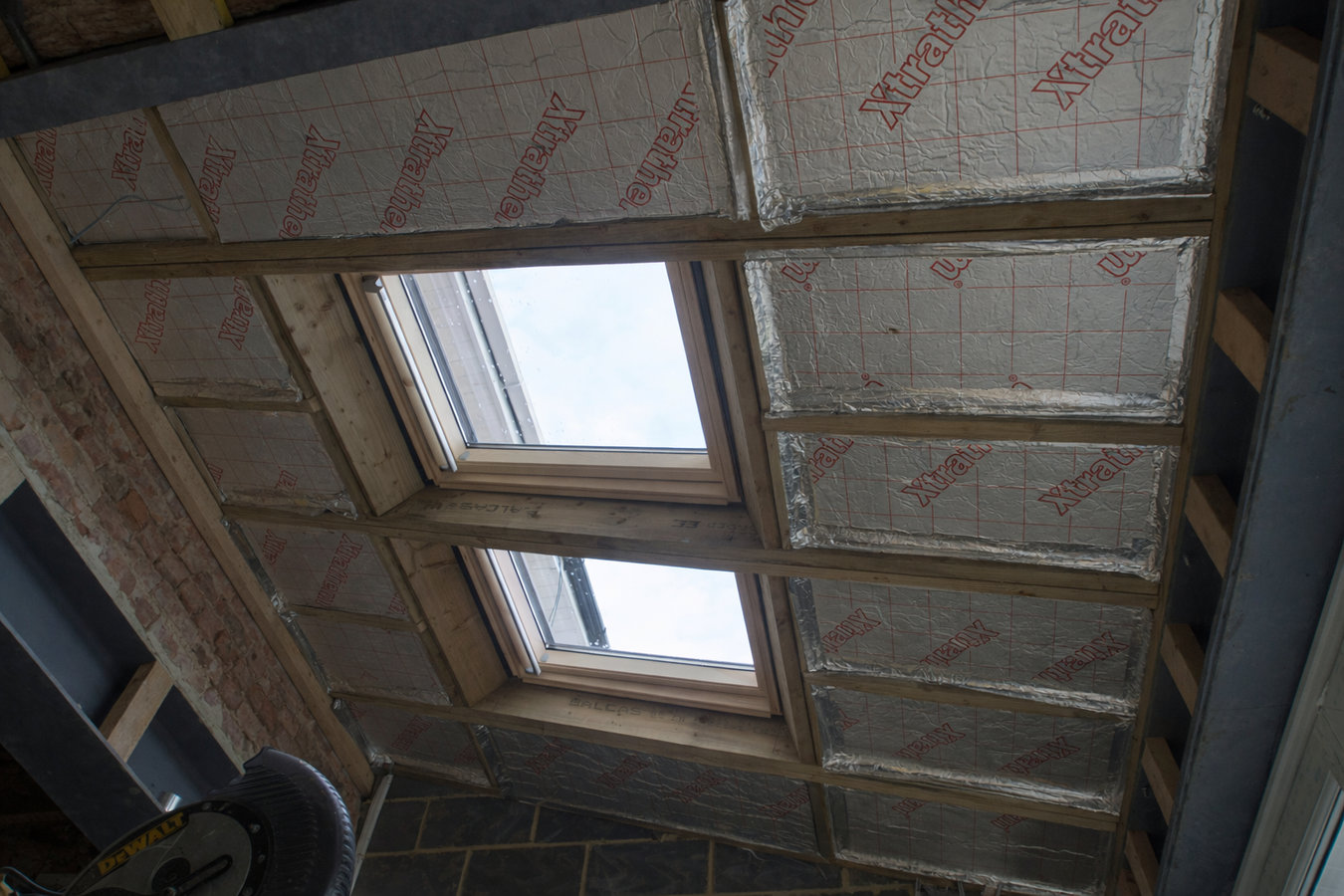
Salina Insulation serves Manhattan, KS homeowners and rental property owners with attic insulation, spray foam insulation, and crawl space insulation - completing jobs across the Flint Hills region since 2023, with free estimates on every project. Manhattan homes range from 1940s brick houses near the K-State campus to vinyl-sided subdivisions on the west side, and each type has insulation needs we know how to address.
Manhattan sits in Kansas Climate Zone 5, where attic insulation needs to handle both hard winters and punishing summer heat. Homes near the K-State campus that were built in the 1940s and 1950s commonly have thin, original insulation that is well below the current recommended depth. Learn more about our attic insulation service.
Older Manhattan homes with limestone foundations or converted attic spaces have irregular gaps that standard batt insulation cannot reach. Spray foam fills those voids completely and bonds to the surface, making it the right choice for rim joists and foundation transitions common in Flint Hills-area construction.
Manhattan homes near the Big Blue River and Kansas River corridors deal with elevated ground moisture in spring, and crawl spaces in these areas accumulate humidity that damages floor systems over time. Insulating and sealing the crawl space protects the floor structure above and stops cold air from rising into the living space each winter.
Many Manhattan rental homes near the university have attics that were last touched during original construction. Blown-in insulation is the fastest and most practical way to bring these older attics up to current depth recommendations - the crew can cover the whole attic floor in a few hours without tearing out what is already there.
The Flint Hills see sustained winds that drive cold air through every small gap in an older home. Air sealing closes the openings around plumbing penetrations, attic bypasses, and recessed lights that insulation alone cannot stop. Sealing before adding insulation makes every dollar of new material more effective.
Manhattan has a large stock of homes built in the 1980s through 2000s in subdivisions on the north and west sides - homes that are now old enough for their first major insulation review. Retrofit insulation upgrades these properties without the disruption of a full renovation, addressing gaps that newer construction often left behind.
Manhattan sits at the eastern edge of the Flint Hills, where shallow limestone and rocky soil are close to the surface. That geology affects drainage and foundation conditions in ways that differ sharply from the deep-soil farmland further west. Manhattan winters regularly drop below 20 degrees Fahrenheit, and the ground freezes to a depth of 18 to 24 inches in a typical year. Those freeze-thaw cycles put constant pressure on foundations and concrete, and they make any gap in your home's thermal envelope very expensive to ignore.
The city's housing stock spans a wide range of ages and types. Older homes near Aggieville and downtown were often built with minimal insulation and have seen multiple occupants cycle through over the decades - especially in the rental-heavy neighborhoods near the university. About 47 percent of Manhattan's housing units are renter-occupied, which means deferred maintenance is common and energy performance in these properties is often well below what it could be. On the newer side of town, subdivisions off Kimball Avenue and the west side were built in the 1990s and 2000s and are now hitting the age where original insulation has settled and air sealing should be reviewed.
Our crews work across the Manhattan area regularly and pull permits through the City of Manhattan Building Inspection division for permitted insulation projects. We know which types of work require a permit in Riley County and which do not, so there are no surprises once the job is scheduled.
The homes we work on most in Manhattan are the older two-story and ranch houses in the neighborhoods between Poyntz Avenue and the K-State campus - many of them brick or original wood siding, sitting on limestone foundations with partial crawl spaces or full basements. We also see properties in the subdivisions off Anderson Avenue and Kimball Avenue on the west side, where newer vinyl-sided homes still have rim joist and attic issues that went unaddressed at construction. Getting around Manhattan is straightforward: most of the city is accessible off US-24 or K-18, and we travel this ground regularly. We also serve homeowners in Junction City to the west, and many Manhattan customers refer us to neighbors in Emporia further south.
Reach out by phone or through the contact form and we will respond within 1 business day. We ask a few quick questions about your home - its age, what area concerns you, and whether you have noticed specific comfort or energy problems - so we arrive prepared for what we will find.
We walk through the areas you are concerned about - attic, crawl space, basement, or walls - measure what is there, check for moisture or ventilation issues, and explain what we found. You get a written estimate with no pressure. If the City of Manhattan requires a permit for your project, we tell you upfront and handle that process.
Our crew arrives on the scheduled day with the right equipment for your project. Most Manhattan residential jobs wrap up in one to two days. For spray foam, you and your pets need to be out of the home for at least 24 hours after application - we give you a specific re-entry time before we start.
Before we leave, we walk you through what was done so you can see the finished result. If you have questions in the days after the job, we are reachable by phone - just call us at the same number you used to book.
We serve homeowners and rental property owners all across Manhattan, KS - from the older neighborhoods near the K-State campus to the newer subdivisions on the west side. Free estimates, no pressure, 1 business day response.
(785) 201-9750Manhattan is a city of about 55,000 people in northeastern Kansas, built around Kansas State University and shaped by its proximity to Fort Riley to the west. The older parts of the city - including the neighborhoods around Aggieville and the streets between Poyntz Avenue and the campus - are dense with homes from the 1920s through 1960s. These properties tend to have limestone or brick construction, older mechanical systems, and insulation that has not been updated since original installation. The large number of student rentals in this part of town means many homes have accumulated deferred maintenance over decades of tenant turnover.
The newer residential development on the north and west sides of the city - including neighborhoods off Kimball Avenue and near Tuttle Creek Lake to the north - features mostly single-family homes built in the 1990s and 2000s on standard suburban lots. These homes are now old enough for their first serious insulation review. Manhattan serves as the commercial and medical hub for a wide stretch of northeastern Kansas, and many homeowners in nearby communities reach out to us through their connections here. We also work regularly in Junction City, just 15 miles to the southwest.
Seals gaps and delivers superior thermal performance for walls, attics, and more.
Learn moreKeeps your home comfortable year-round by reducing heat loss through the roof.
Learn moreFills hard-to-reach cavities quickly with loose-fill material for even coverage.
Learn moreWhole-home insulation solutions that lower energy bills and improve comfort.
Learn moreSafe removal of old or damaged insulation to prepare for a fresh installation.
Learn moreImproves thermal efficiency and soundproofing in interior and exterior walls.
Learn moreEliminates drafts and air leaks to maximize your insulation investment.
Learn moreKeeps basements warm, dry, and energy-efficient with proper insulation.
Learn moreHigh-density foam with an excellent R-value and moisture barrier properties.
Learn moreFlexible, lightweight foam ideal for interior walls and sound dampening.
Learn moreEnergy-efficient insulation solutions scaled for commercial and industrial buildings.
Learn moreHeavy-duty vapor barriers that block ground moisture from entering your home.
Learn moreProfessional vapor barrier installation to prevent condensation and mold.
Learn moreServing these cities and communities.
Salina Insulation serves homeowners all across Manhattan and the surrounding Flint Hills region. Call us or send a message and we will get back to you within 1 business day.